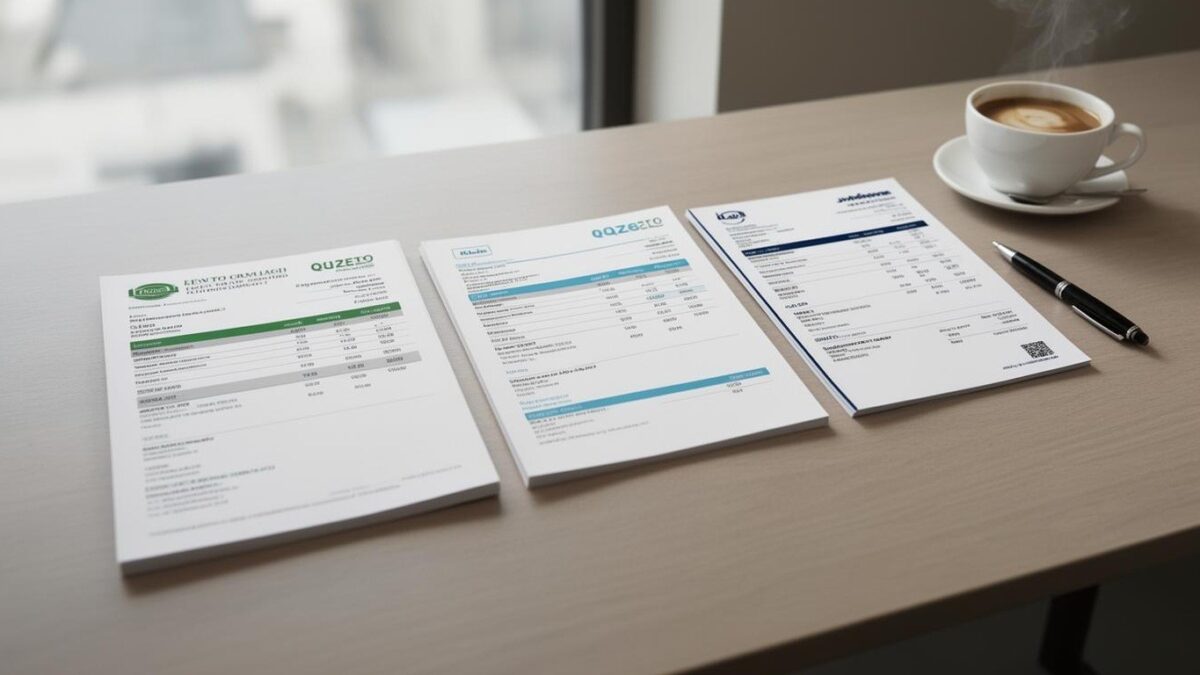

A wedding planned over twelve months feels manageable in a way that a six-month scramble never does. Each season brings a clear set of tasks, and the most important decisions come early enough to shape the rest. Venues and key vendors often book up a year in advance, while the small details, such as favors and the seating chart, can wait until the final weeks. Knowing what belongs in each stage lets a couple focus on the choices that matter most.
This guide sets out a twelve-month timeline for a typical wedding, explains which tasks cannot wait and points out where planners often save time. It is a general framework rather than a fixed schedule. Adjust it to the size of your event, the date and the vendors you choose, and confirm all deadlines in writing with each supplier.
Short answer: a twelve-month timeline puts the big decisions first: date, venue, photographer and caterer. Smaller tasks such as favors and seating charts can wait until the final weeks.
Twelve to nine months out
Start with the decisions that set everything else in motion: the date, the budget and the guest count. Book the venue as early as you can, since popular dates disappear quickly. Choose the photographer and the caterer early too, because they are often in high demand. Set a rough guest list and a per-head budget, using the approach in our guide to wedding guest lists and budgets.
During this stage, decide whether the wedding will be a traditional ceremony, a civil ceremony or a mix. Confirm legal requirements with the appropriate local office, since rules vary by location.
Eight to six months out
Once the venue and key vendors are booked, begin shopping for attire, invitations and the wedding party’s outfits. Clothing can take months to arrive, especially for custom work, so order early and allow for alterations. Send save-the-date notices if you plan to, and create a website or a simple information page with the basic details guests need.
Start the planning for the menu and the bar. Ask the caterer for tasting appointments, and plan for dietary needs and the number of courses. Choose the music, decide on the order of the ceremony and speak to the officiant about the content.
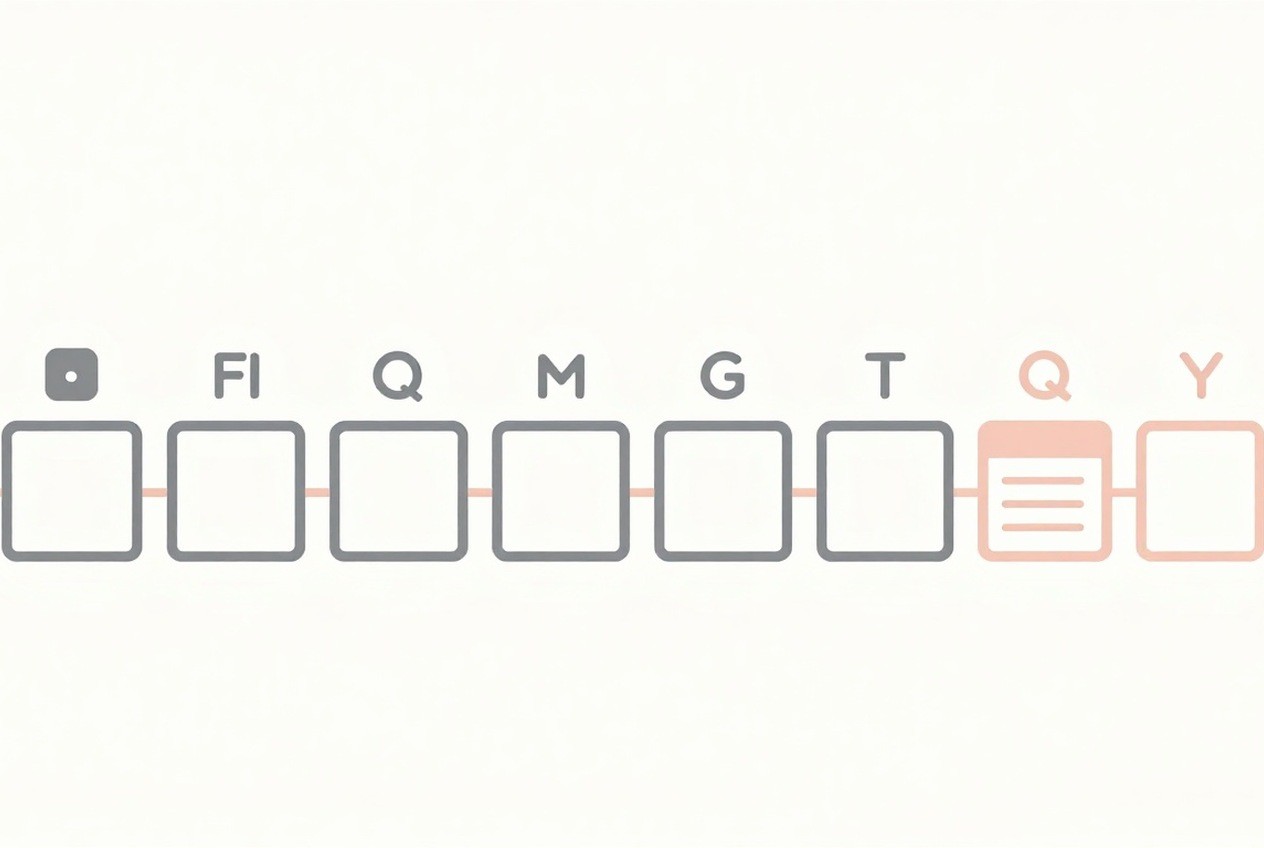
Five to three months out
This is the period for the bulk of the logistics. Send the invitations, and track replies in a spreadsheet so you know who is coming. Confirm transportation for guests and the wedding party, and book accommodation blocks if you have them. Arrange the rentals and the florist, and confirm what each vendor will supply.
Check the contracts and make sure each vendor has the correct date, times and location. Plan the rehearsal dinner if you are hosting one. Begin the seating plan, though you can refine it later.
Two months out
Finalize the menu with the caterer, confirm the final guest count for each service and check dietary requirements. Confirm the timing of the photographer, the florist and the music. Schedule the last dress fittings and collect any alterations. Order the wedding favors and any decorations that need to be made in advance.
Create a detailed timeline for the day, and share it with the key people who will help. A shared schedule keeps everyone aligned and reduces the number of questions on the day.
Final four weeks
Confirm every vendor by email or phone, and check the arrival times. Pay the final balances as the contracts require, and keep receipts. Finalize the seating chart and the place cards, and prepare a small emergency kit with safety pins, tape and basic supplies. Pick up the marriage paperwork if it is needed for your jurisdiction, and check the documents carefully.
Delegate tasks to a trusted friend or family member, so you can enjoy the final weeks. A clear list of who handles what makes the day run more smoothly.
Where planners save time
Several habits save time across the year. Use a shared spreadsheet or planning app so that everyone can see the same information. Book the big decisions early and leave the small ones for later. Batch similar tasks, such as all the phone calls to vendors, into one session. Keep a folder of contracts and receipts, and review them every few months.
Our guide to comparing wedding vendor quotes explains how to avoid surprises when you book, and planning a winter wedding covers the extra steps for a cold-season date.
Dress and suit fittings
Clothing fittings take several visits, and each one requires time for alterations. Book the first fitting soon after the garment arrives, and plan a second fitting about a month before the wedding. Wear the shoes and undergarments you plan to use, and bring the accessories so the hem and fit are correct. Allow time for the wedding party’s outfits too, since each person’s fitting can take a separate appointment.
Vendor check-ins
Schedule a brief check-in with each key vendor at intervals across the year. These conversations confirm the date, the details and any changes to the plan. A short written summary after each call helps everyone stay aligned. Regular contact prevents surprises and keeps the final weeks calm.
The short version
A twelve-month timeline lets you book the important vendors early, handle attire and invitations in the middle months and finish the logistics in the final weeks. Confirm each deadline in writing, batch similar tasks and delegate where you can. A clear calendar turns a large project into a series of manageable steps, and it leaves room to enjoy the planning itself.
Takeaways
- Book the venue and key vendors early.
- Batch similar calls and emails together.
- Confirm each vendor in writing before the final four weeks.
Planning in winter? Our guide to planning a winter wedding covers heating, travel and daylight.