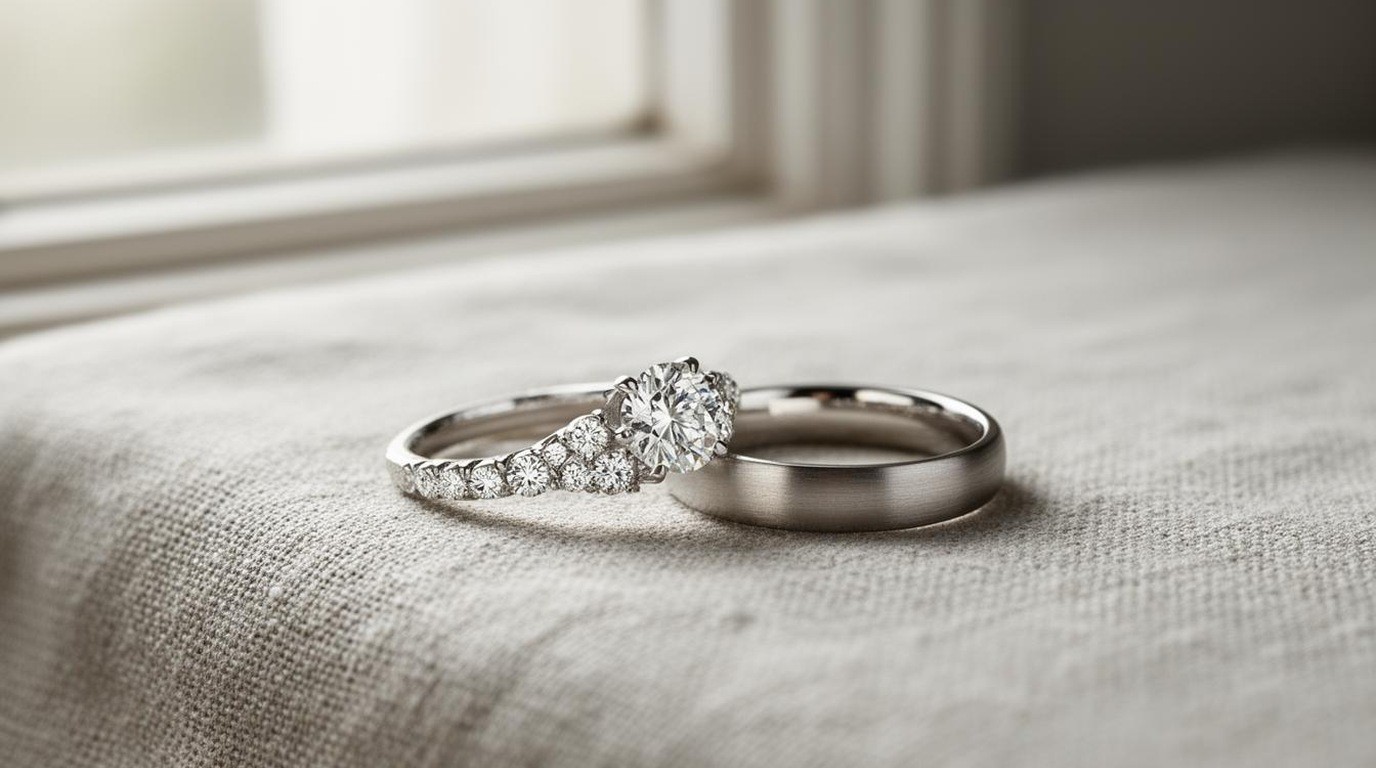
A matching band is a small decision that shapes how an engagement ring and a wedding band sit together for decades. Some couples want an identical pair, others prefer a band that complements the ring’s setting, and many discover that the two pieces do not look right side by side until they are measured and tried on. Metal, width and fit all change the result, and a band chosen without that thought can leave gaps, rub the adjacent stones or simply look out of proportion.
This guide explains how to match metals and finishes, how band width affects the look and comfort of a stacked set, how to check fit and what to ask a jeweler before ordering. It describes general principles of jewelry design rather than recommending a specific maker. Ring sizing and comfort depend on the individual, so try pieces on before committing and speak to a jeweler about any concerns with metal or skin reactions.
In brief
- Metal tone matters more than karat when matching bands.
- Width and profile change how the pieces sit together.
- Measure the finger at the end of the day.
Match the metal
The simplest match is the same metal in the ring and the band. A platinum ring paired with a platinum band looks cohesive, and the same goes for gold in matching tones. Matching the color is more important than matching the karat. A warm yellow gold band can look different beside a cooler white metal, so compare the pieces in the same light before buying.
Mixing metals can work well too, and it often suits a modern look. A rose gold band with a yellow gold ring can create a layered effect, but check that the metals complement each other. Ask the jeweler how each metal wears, since some alloys are harder and others are softer and more prone to scratching.
Width and profile
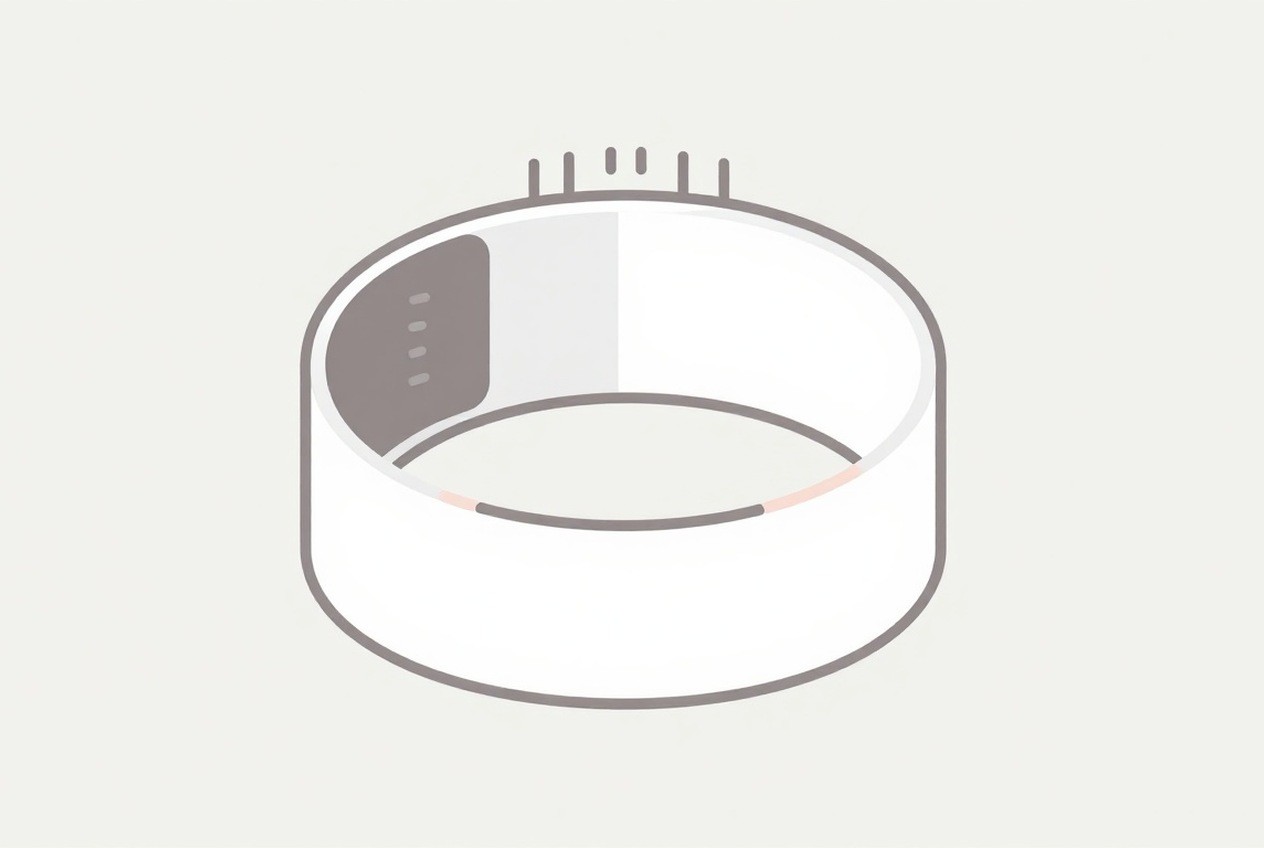
Band width changes the look and the feel. A slim band sits neatly beside a ring with a delicate setting, while a wider band can balance a larger center stone. The profile, or the shape of the band’s cross-section, also matters. A flat profile looks modern, a rounded profile is comfortable and a domed profile can sit higher on the finger.
Think about the setting. A pronged setting raises the stone above the finger, so a band with a curved edge may be needed to fit close beside it without rubbing. Ask the jeweler to check the fit with the ring in place, and consider how the two pieces will sit when your hand is relaxed and when it is held out.
| Choice | Effect | Consideration |
|---|---|---|
| Same metal | Cohesive, unified look | Confirm the tone under daylight |
| Mixed metals | Layered, modern look | Check how the metals age together |
| Slim band | Delicate, close fit | Less visual weight |
| Wide band | Balanced, bold look | May need a curved edge beside the ring |
| Flat profile | Modern, clean line | Can feel less comfortable on some hands |
Fit and comfort
Fit is the most important factor for a band you will wear every day. Measure your finger at the end of the day, when it is slightly larger, and at room temperature. Consider whether you wear gloves, work with your hands or have a finger that changes size with the seasons. A band that is too tight can be uncomfortable and hard to remove, while one that is too loose can slip and be lost.
Try the band on with the engagement ring in place, and check how the two sit together. Look for gaps that could catch on clothing or rub the adjacent stone. A jeweler can often adjust the band or recommend a shape that fits more closely.
What to ask a jeweler
Before ordering, ask a few specific questions. Confirm the metal and its purity, and ask whether it is solid or plated. Check the band’s width and profile, and ask how the band will fit with the existing ring. Ask about the return policy and whether the band can be resized or altered later. Request a written description of the piece, including the metal, the weight and the dimensions.
If you have sensitivities to metals, speak to the jeweler and check the alloy. For any concerns about skin reactions, speak to a physician or dermatologist.
Everyday wear and lifestyle
Consider how the pieces will be worn. A person who works with their hands, exercises often or spends time in water may need a sturdier metal or a band that sits closer to the finger. A wide band can catch on gloves or clothing, while a very thin band may bend under pressure. Discuss your daily routine with the jeweler, and ask whether the design can handle the activities you enjoy.
Insurance and care
A valuable ring or band may be worth insuring, and the policy should list the pieces with a current appraisal. Keep receipts and photographs in a safe place. Clean the pieces gently and check the settings from time to time, since loose stones can be lost. A jeweler can inspect the band and the ring together once a year, which helps catch problems early.
The short version
Match the metal tone, choose a width and profile that suits the ring’s setting and test the fit with the ring in place. Measure at the end of the day, check for gaps and ask the jeweler about the metal, the return policy and any future resizing. A well-matched band looks as though it was always meant to sit beside the ring, and it stays comfortable for years of daily wear.
Band myths
Myth: Identical metals always look best together.
Reality: Matching tone matters more. Two pieces of the same metal can look different in daylight.
Myth: A thin band is always more comfortable.
Reality: Fit, profile and daily wear decide comfort. A thin band can bend under pressure.
Myth: Jewelry insurance is unnecessary.
Reality: A valuable ring or band may be worth insuring. Keep an appraisal and photographs.